





TOWEL TRACKING WORKFLOW GUIDE
Towel Tracking Workflow should be planned around the real workflow. Towel tracking is most useful when it follows the real lifecycle of the towel instead of trying to create unnecessary data at every moment. The important checkpoints are usually clean inventory, issue, return, laundry and possible movement through a controlled exit. This guide explains how those checkpoints fit together. A practical towel tracking workflow begins by mapping issue, use, return, storage and the point where exceptions occur.
Towel Tracking Workflow: Define what the business means by towel tracking
Different facilities use the phrase “towel tracking” for different goals. A gym may want to reduce member carry-out. A hotel may want to understand linen circulation between floors and laundry. A pool may need to know whether clean stock is available during peak hours. A resort may want controlled dispensing and room or guest accountability.
Those are different problems. Before choosing equipment, write down the questions that management expects the system to answer. A useful towel-tracking project is built around decisions, not around collecting the largest possible number of events.
The basic towel lifecycle
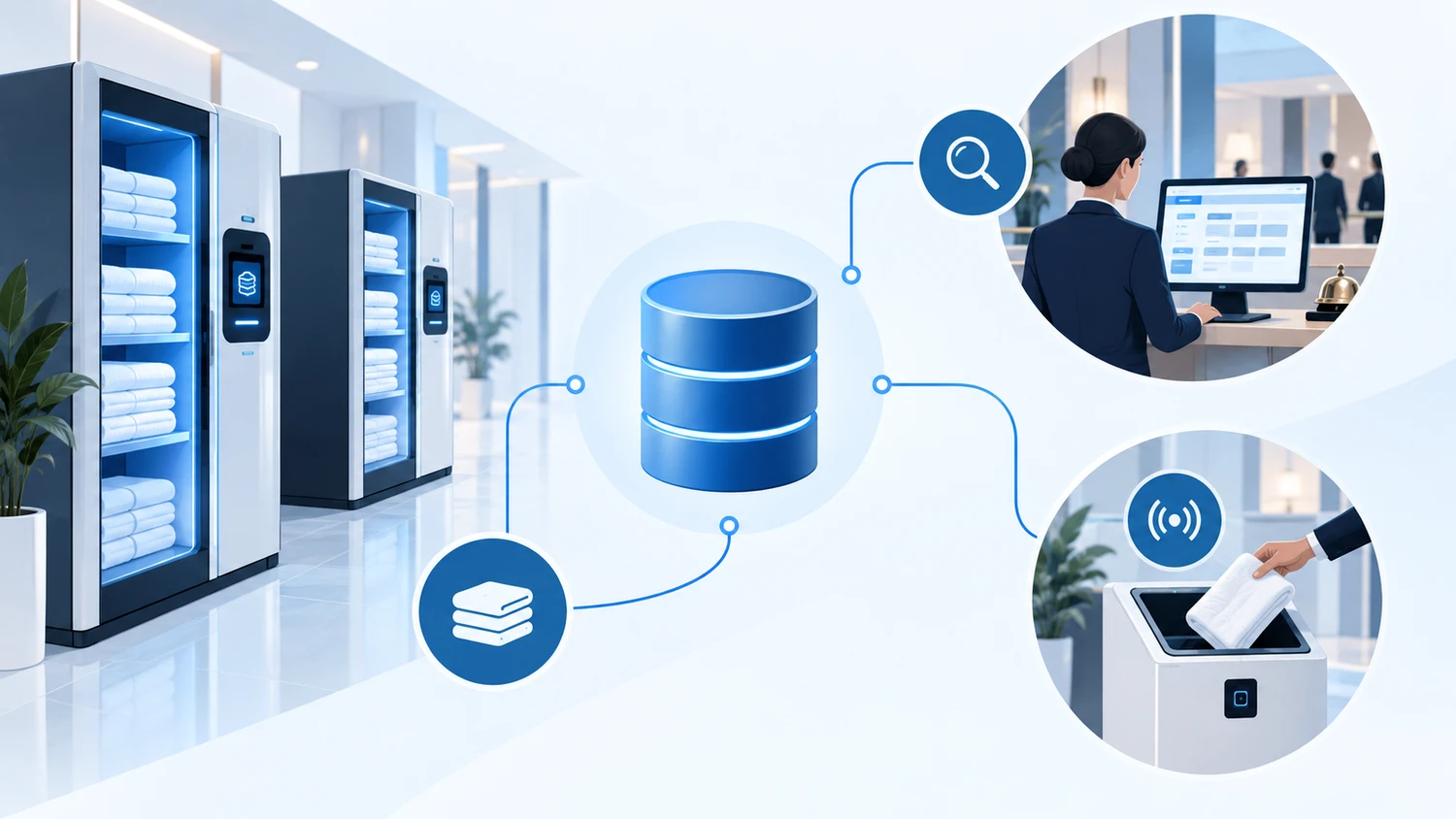
- Clean stock: towels ready for use or dispensing.
- Issue: towels taken from a shelf, counter or controlled cabinet.
- Use: towels circulating in guest rooms, locker rooms, spa areas, pools or fitness spaces.
- Return: towels placed in a return bin, cart or collection area.
- Laundry: items moving through washing, drying and finishing.
- Restocking: clean towels returned to available inventory.
- Exception: towels missing, damaged, retired or leaving through a controlled exit.
A system does not need an automatic sensor at every stage. Some stages can be recorded by process, while others benefit from automatic identification or periodic handheld counts.
Handheld inventory provides a practical starting point
When the first question is simply “How many towels do we really have?”, mobile inventory can be the lowest-complexity starting point. A compatible handheld reader can count tagged towels in storage, carts or other defined areas and support specific-item searches where individual identity matters.
Periodic physical inventory creates a baseline. Once management understands normal stock movement, it becomes easier to decide whether automatic dispensing, return recording or exit monitoring will provide enough additional value to justify the next stage. The towel tracking workflow process should be easy for staff and users to follow during normal daily operation.

What a smart towel cabinet adds
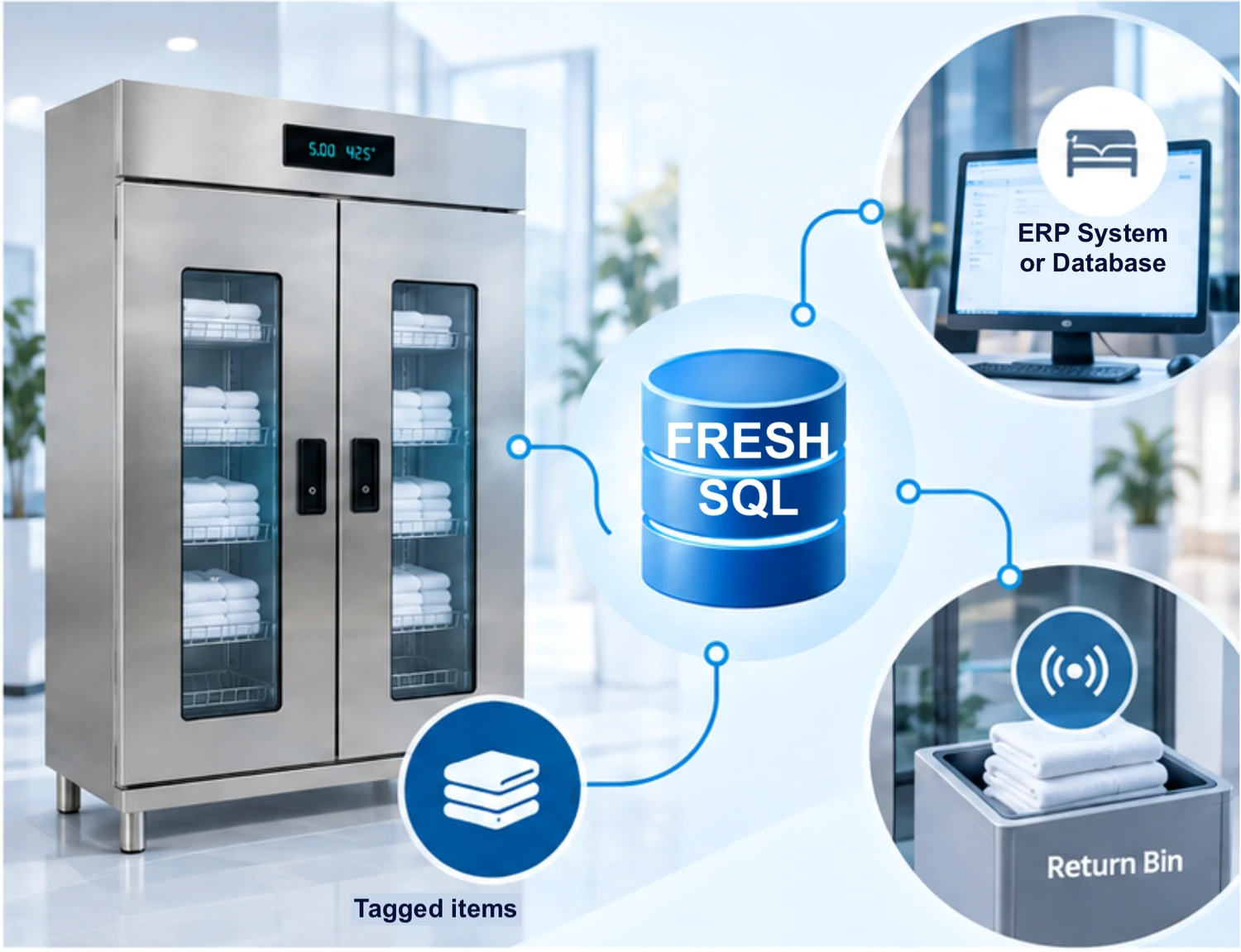
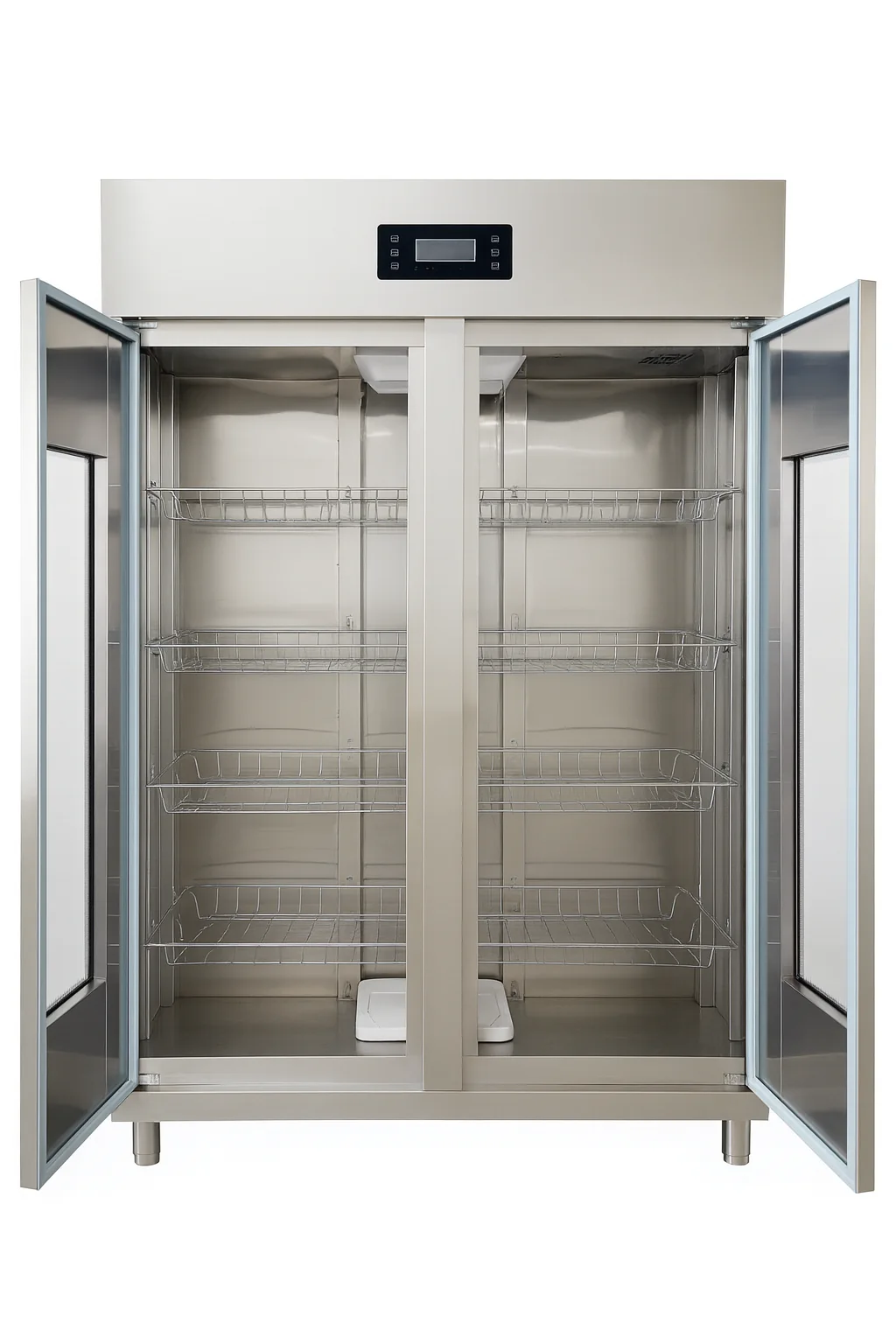
A controlled towel cabinet moves tracking to the clean-stock side of the process. Instead of leaving all clean towels open for unrestricted pickup, the facility can authorize access using a member, guest or employee credential. Depending on the integration, the system can record who opened the cabinet or what inventory changed during the transaction.
This is useful for self-service environments where staffing a towel counter is expensive or inconvenient. It can also help management understand demand by time of day or location. However, a cabinet should not be added merely because the facility has towels; it should solve a defined issue such as accountability, unattended dispensing or clean-stock control.
Towel Tracking Workflow: transaction records and live event notifications
A smart cabinet can turn a simple inventory change into a transaction record. The Card ID that opened the cabinet can be linked to the tagged towels removed during that transaction, and a connected return point can clear returned towels automatically. This gives staff a practical view of clean stock, outstanding circulation and event history without forcing every return to use another credential scan.
Where exit loss prevention is part of the towel tracking workflow, configured reader events can also generate local-computer notifications and optional mobile alerts for staff.
How return bins close the operational loop
A tracking system becomes more meaningful when used towels have a clear return path. Return bins should be easy to find, sized for peak use and located before the guest reaches an uncontrolled exit. In integrated projects, the return point can help reconcile outstanding items or update inventory status.
Even without individual return identification, a well-designed return workflow improves data quality because staff know where used items should accumulate before laundry transfer.
Exit monitoring is a loss-prevention layer, not the entire tracking system
A fixed reader at a controlled doorway can create an event when a registered towel or linen item passes through the exit zone. This is useful when management wants an alert before inventory leaves the facility. It does not automatically explain how the towel was issued, who used it or whether it was already recorded as missing.
For that reason, exit monitoring is best understood as one layer in a larger towel-management process. Some facilities need only this layer; others combine it with inventory or controlled dispensing.
What information is actually useful to report?
Available clean stock
Is each towel location ready for the next period of guest demand?
Outstanding circulation
How much inventory is currently outside clean storage or awaiting return?
Return and laundry flow
Are used towels returning at a rate consistent with issue and guest activity?
Loss trend
Is one club, hotel floor, pool or time period losing stock faster than another?
Exception events
Are registered towels crossing a monitored exit or appearing in an unexpected zone?
Restocking needs
Which locations require clean inventory before guest service is affected?
Individual towel tracking versus quantity management
Not every business needs to know the history of every towel. Some facilities only need reliable counts by location or status. Others need individual identity because they assign specific items to guests, rooms or employees. The database should match that requirement.
Individual identity creates more detailed history but also requires disciplined tag commissioning and record maintenance. Quantity-oriented management can be simpler when individual assignment does not change the operating decision.
Planning for laundry conditions
Any identification attached to a towel must survive the real laundry cycle. Consider washing temperature, extraction, drying, finishing and chemical exposure. Tag placement should avoid guest discomfort and should remain consistent enough for the inventory method.
If laundry is outsourced, the handoff between property and laundry becomes an important control point. Quantities sent and received should be reconciled so transport or processing differences do not appear as unexplained guest loss.
Common towel-tracking implementation mistakes
- Trying to automate every step before management has defined the questions it needs answered.
- Collecting many events but providing no simple dashboard or operational report for staff.
- Ignoring return-bin placement and relying on technology to fix a confusing guest workflow.
- Using a tag that has not been confirmed for the laundry process.
- Assuming exit monitoring alone provides issue and return accountability.
- Failing to define who maintains new, damaged and retired towel records.
A scalable way to start
A practical project can begin with tagged inventory and handheld counts. The next stage can add an exit reader where losses occur, then a smart cabinet or return station when the business wants controlled issue and return. Additional locations can share the same database architecture when the system is designed to expand.
This article focuses on how towel tracking works operationally. Current Fresh USA cabinet configurations, fixed readers, handheld equipment, tags and prices remain on the commercial site so the informational article can rank for workflow questions without duplicating product pages.
Towel tracking FAQ
Do we need to assign every towel to a person?
No. Many projects only need inventory and movement information. Person-level assignment is optional when accountability is part of the business process.
Can we start with physical inventory only?
Yes. Mobile inventory is a practical first stage and can later be expanded with cabinets, return points or fixed exit monitoring.
Can the same system work at several clubs or hotels?
Yes, when software and database architecture are designed for multiple locations and the organization has a consistent item-registration process.
Does a return bin automatically identify each towel?
That depends on the return design. Some projects use a reader at the return point, while others use the bin as a controlled process step and reconcile inventory separately.
Can towel tracking reduce labor?
It can reduce manual counting, searching and staffed dispensing when the selected automation replaces a real repetitive task. The benefit depends on the existing workflow.
Related planning guides
For the next planning step, see smart cabinet issue and return planning and RFID textile inventory workflow.