





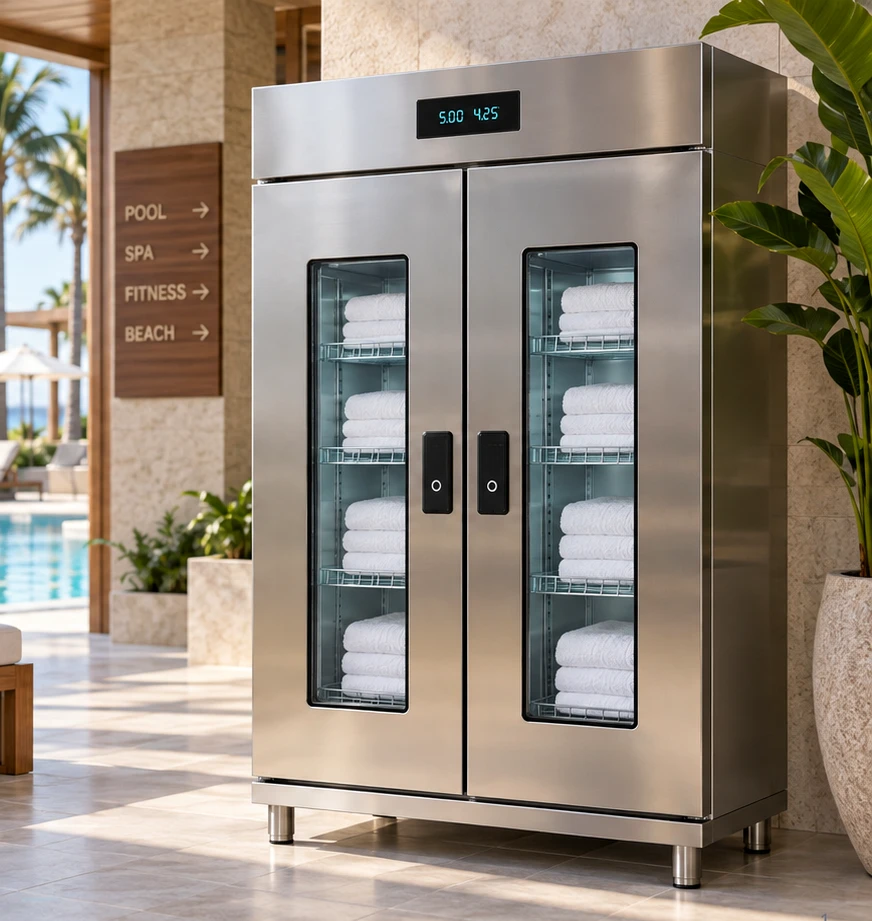
TOWEL MANAGEMENT WORKFLOW
A towel management system should keep clean towels available while making returns easy and losses visible. The best design connects dispensing, return and staff replenishment instead of treating the cabinet as an isolated piece of equipment.
Build the towel service around availability
Start with service levels: how many people use towels per day, when the peaks occur, how often staff can restock and what happens when clean stock is low. Controlled issue is valuable only if the cabinet remains reliably stocked during busy periods. The return side should be located where users naturally finish using the towel.

Treat clean issue and used return as one cycle
A clean-towel cabinet solves only half of the operation if used towels have no obvious return path. Plan where clean stock is loaded, how an authorized user receives a towel, where used items are returned and how staff know when to replenish or collect them. The cleaner this cycle is, the more useful the data becomes.
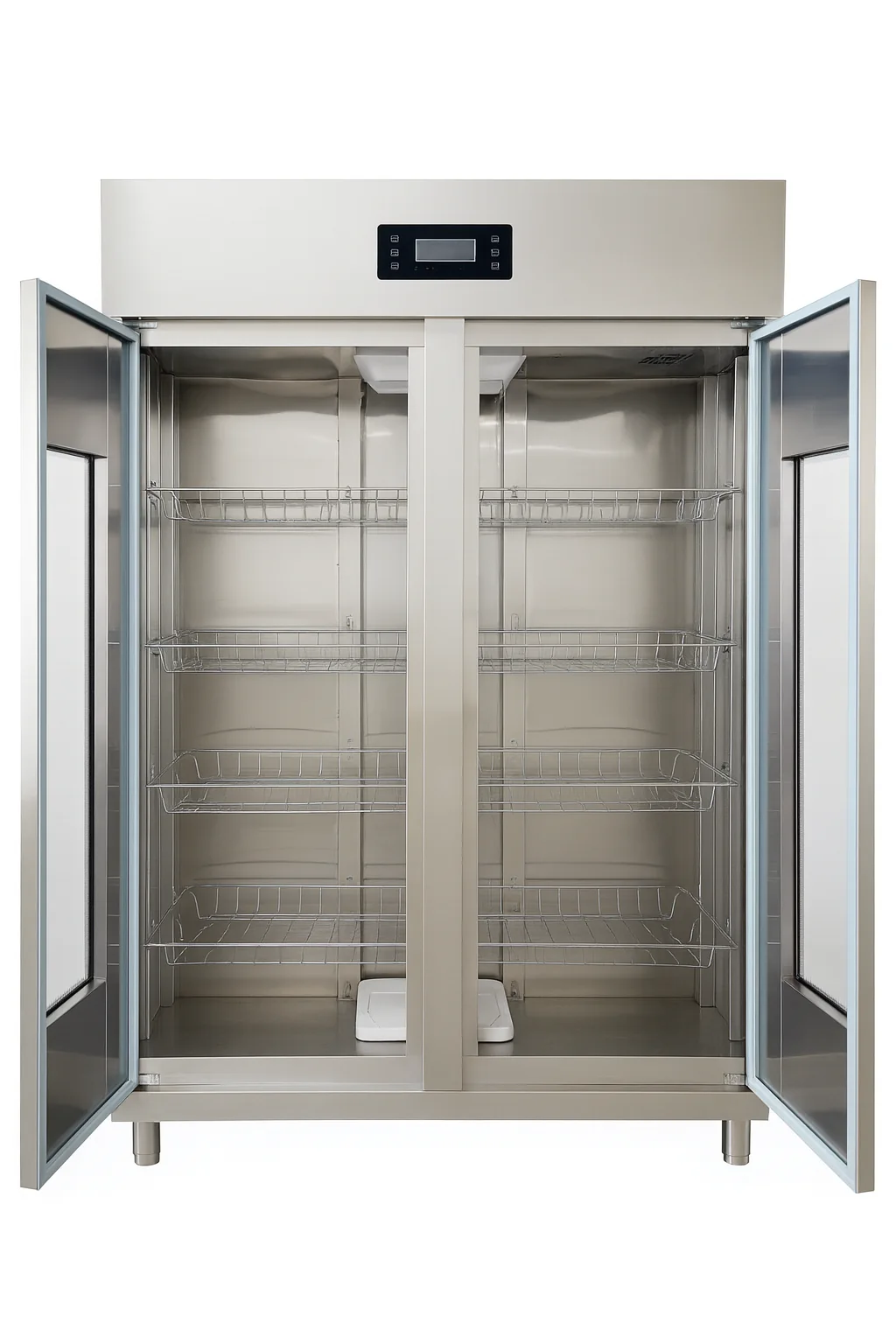
Choose the access method around the facility
Member cards, employee credentials, room-related access or other identifiers can be considered depending on the existing facility systems. The cabinet should not force a complicated identity workflow when the site only needs simple controlled dispensing. Integration should be scoped from the actual card/database information rather than assumed.
- Who is allowed to open or dispense?
- Is one towel per event enough or are multiple items needed?
- Does access need to be associated with a room, member or employee?
- What happens when the primary credential is unavailable?
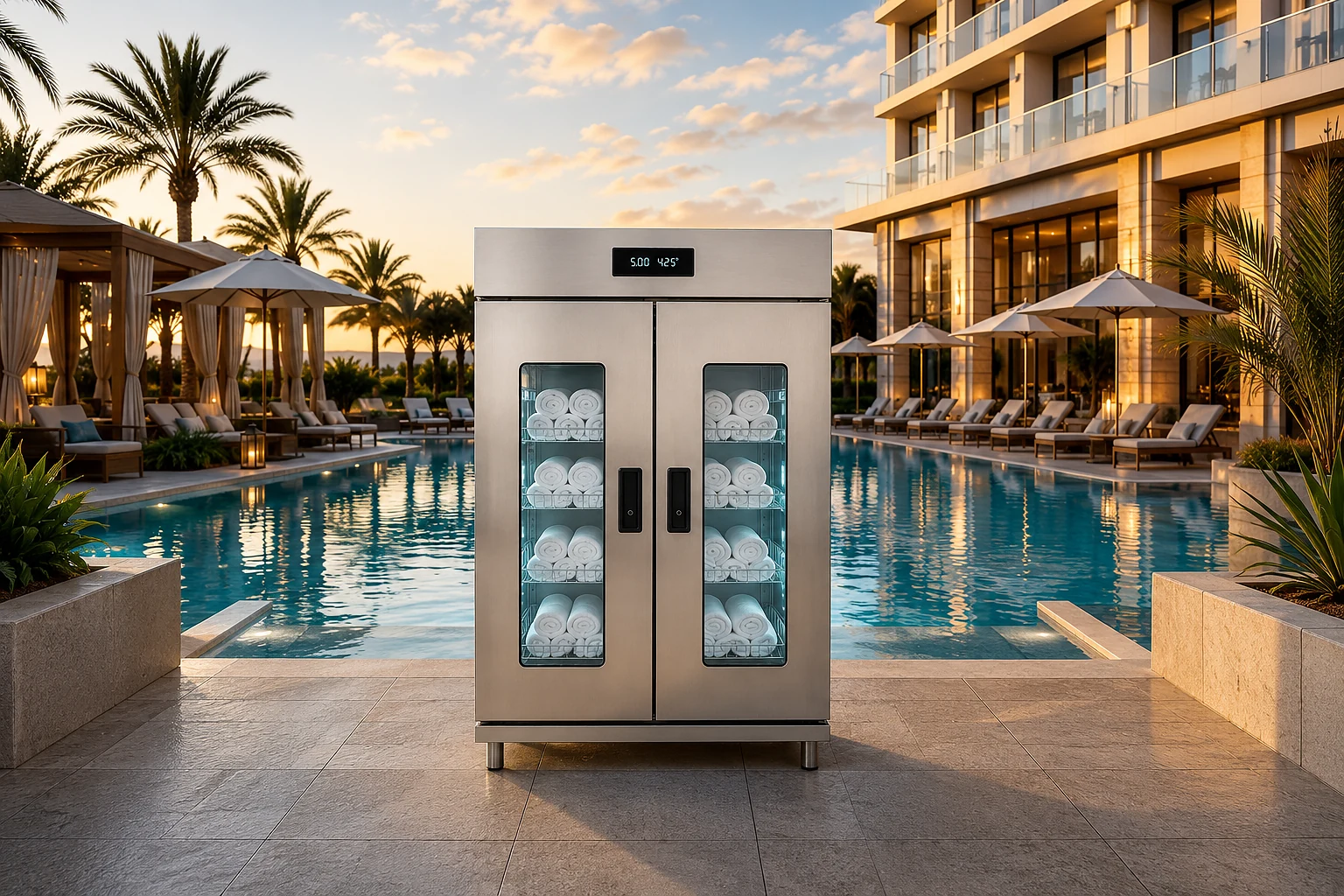
Cabinet, staffed counter or open shelf?
An open shelf is simplest but provides little control. A staffed counter adds human control but requires labor. A controlled cabinet can extend service hours and create consistent issue events. The right choice depends on staffing, loss level and the desired guest experience.
Use data for replenishment, not surveillance
Useful operational data includes stock level, issue events, return volume and exceptions that require staff attention. The purpose is to keep towels available and reduce loss. Avoid collecting more personal information than the workflow needs.
Measure both service and loss
Track stockouts, replenishment frequency, towels issued, towels returned and replacement purchases. A good system should improve availability while lowering unexplained loss, not simply create more data.
Common towel-cabinet mistakes
- Planning dispensing but not the used-towel return path.
- Using an access method that does not match the facility’s existing credentials.
- Choosing cabinet capacity from total towel inventory instead of peak replenishment interval.
- Ignoring staff loading and collection workflow.
- Assuming integration is automatic before confirming card type and database access.
- Adding complex rules before a simple pilot workflow is proven.
What to send for a cabinet recommendation
Provide the facility type, daily users, peak-hour demand, towel size and approximate clean stock on hand. Explain the existing member/employee/room credential, desired issue rule, return location and whether staff need alerts or software reports. Photos of the proposed cabinet and return areas are also useful.
Related planning guides
A practical commissioning example
A towel management system should connect four operational states: clean available stock, issued towels, used returns and laundry/replenishment. If one of those states is missing, the numbers can look precise while still failing to explain losses. For example, recording every issue without a reliable return count tells management how many towels left storage but not whether they returned through the proper path. Build the data model around the real physical cycle.
How to validate the workflow before full rollout
Choose a short operating period and reconcile opening clean stock, issues, returns, laundry transfers and closing stock. Deliberately create a few exceptions—a towel not returned, a damaged towel and an item placed in the wrong bin—and confirm how staff resolve them. The process should make exceptions visible without requiring employees to perform an unrealistic number of manual steps.
Decisions to make before ordering
- Which towel states must be visible to management?
- How is clean stock replenished and verified?
- Does each issue need a user assignment?
- What event closes an outstanding towel assignment?
- Who investigates unresolved discrepancies?
Write these answers into the project scope before comparing equipment. They create an acceptance target for the installer and a training reference for the employees who will use the system later. If one of the answers changes, update the scope before adding hardware so the installation continues to solve the operating problem described on this page.
Project handover and future expansion
For towel management system: issue, return and replenishment, keep a short handover record with the final layout, equipment locations, naming convention, normal operating steps and the person responsible for routine changes. Record the settings that were proven during acceptance instead of relying on memory. This makes later service, staff training and expansion much easier.
Expansion should follow a new operational requirement: another entrance, a larger inventory, additional reports, a new department or a need for remote visibility. Add the smallest component that solves that new requirement while preserving the working first phase. A modular project is valuable because the original installation remains useful rather than becoming a disposable pilot.
Frequently asked questions
Can a towel cabinet operate without a full software integration?
Yes. The exact access method depends on the selected configuration, and integration can be added when there is a defined business need.
Should clean and used towels use the same cabinet area?
They should be planned as separate clean-issue and used-return flows unless a specific cabinet design safely separates them.
How do we size cabinet capacity?
Use peak demand and the staff replenishment interval, not only the total towel inventory in the building.
Can the system help show when staff should restock?
Depending on the selected configuration and software, cabinet inventory/events can support low-stock or replenishment workflows.
Mobile alerts and event notifications for towel management
Expanded Fresh USA towel-management configurations can add live event notifications on the local computer and on a mobile phone. A configured overhead exit event can trigger a local alarm or voice reminder, create an event record and notify designated staff. The same system can start with a simple local response and add software, event history and mobile notifications later.
Where smart cabinets are used, Card ID access, automatic before-and-after inventory, connected return points and event history can be combined into one operating workflow.